
Sunscreen Guide for Sensitive Skin with Redness
Why Sunscreen Matters for Your Routine.
Sunscreen is one of the most important steps in any skincare routine — and for sensitive, redness-prone skin, it carries even more weight than most people realize.
At its core, sunscreen helps protect skin from UVA and UVB rays that can damage skin cells over time, contributing to sunburn and irritation in the short term and premature aging, uneven tone, and hyperpigmentation over the long term.If your skin tends to run red or reactive, sun exposure is one of the biggest culprits. UV rays can trigger visible redness, widen blood vessels, and chip away at your skin barrier — all at once, which is exactly why sun-exposed skin often looks more flushed and stays that way longer. If redness is already a regular concern, our guide to Best Ways to Calm Sensitive Skin Redness and Avoid Common Triggers covers the underlying causes and common triggers. Sunscreen doesn’t treat redness directly, but daily use helps reduce exposure to one of the most common triggers behind it. UVA radiation is present year-round and passes through window glass, so protection matters rain or shine — including on cloudy days and near windows indoors. A broad-spectrum sunscreen with at least SPF 30 is generally recommended as a daily habit for redness-prone skin.
The Correct Order of Skincare Steps.
Morning: Cleanser → Toner or Essence → Serum → Eye Cream → Moisturizer → Sunscreen — sunscreen always goes last, before makeup.
At night, skincare typically focuses on hydration and repair. Always finish mornings with sunscreen.
How to Layer Sunscreen in Your Morning Routine.
Start with a gentle cleanser, then a light layer of serum if it’s part of the routine, followed by moisturizer to help calm skin and support its moisture barrier. Once the moisturizer has absorbed, apply sunscreen as the final step, spreading it evenly over the face and neck and letting it settle before heading outside or applying makeup.
Whether sunscreen goes before or after moisturizer depends on the formula. Mineral sunscreen is often applied after moisturizer, since mineral filters sit on top of the skin. Chemical sunscreen absorbs into the skin and is typically applied to clean skin. Either way, sunscreen should remain the last step for the most reliable protection.

How Much Sunscreen Should You Use?
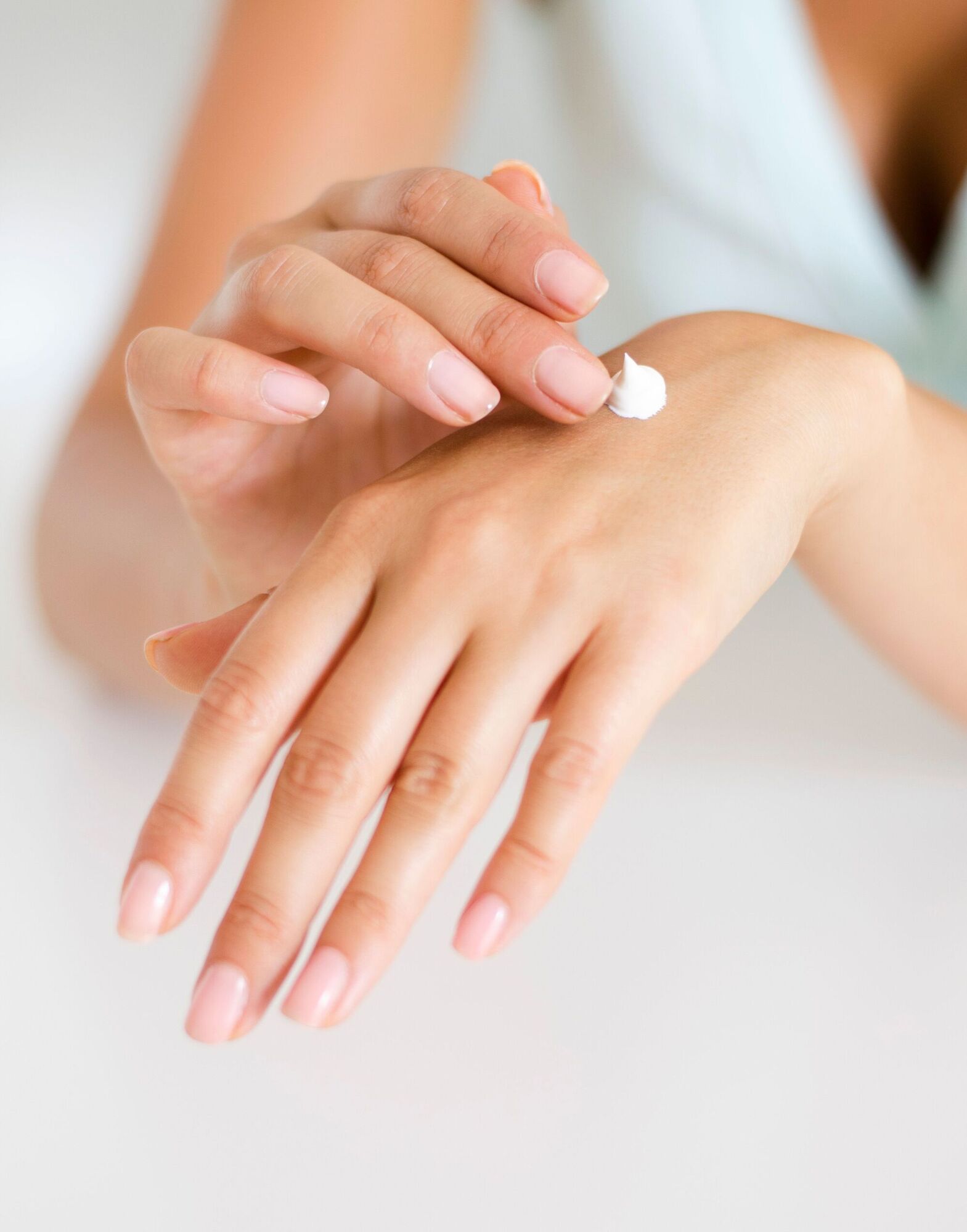
Most people apply far less sunscreen than they think, and that gap matters more than it seems. Most people don’t apply enough sunscreen to the face and neck to get the labeled level of protection. For the whole body, about an ounce is a general guideline. Apply evenly 15–20 minutes before sun exposure, reapplying every two hours, and don’t forget the hairline, ears, and jawline. This amount matters because most people apply only 25–50% of what’s recommended, which means the labeled SPF doesn’t fully apply in practice — the protective layer ends up thin and uneven, with some areas under-protected.
Mineral vs Chemical Sunscreen for Sensitive Skin.
Mineral and chemical sunscreens both protect against UVA and UVB rays, but they work differently — and that difference matters for sensitive skin.
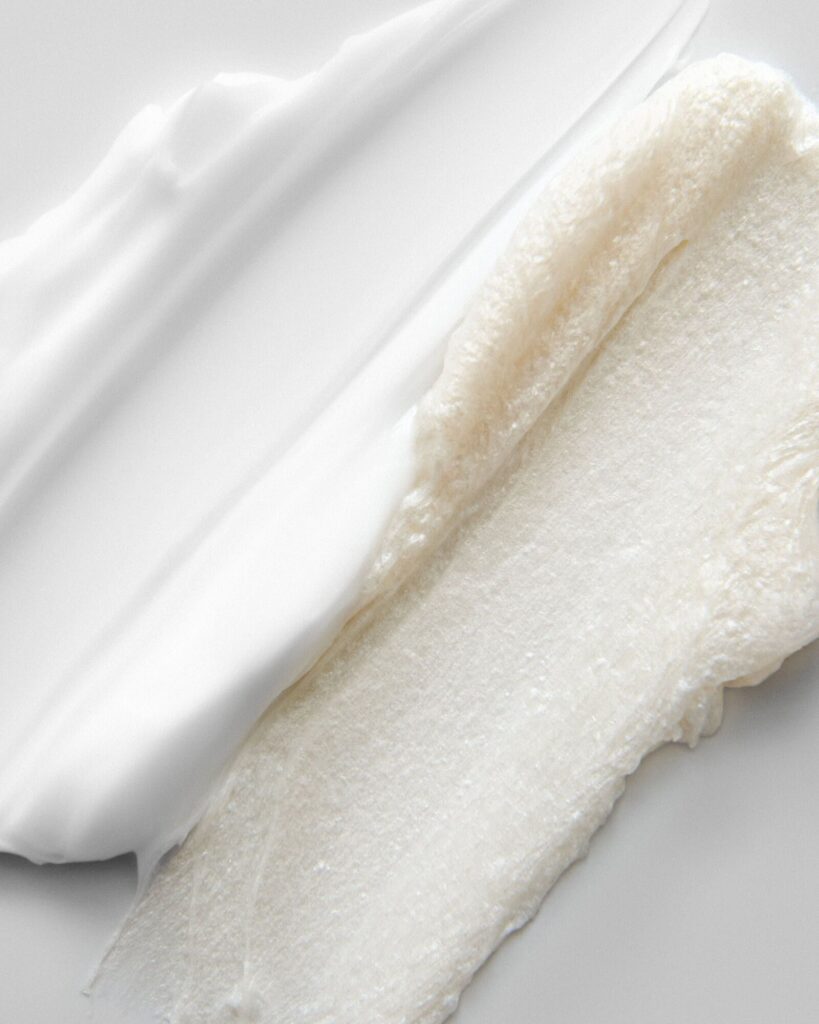
Mineral sunscreen relies on zinc oxide and titanium dioxide, which sit on top of the skin and reflect UV rays. It tends to be gentler, less likely to cause irritation, and effective immediately — though it can feel thicker and may leave a white cast on deeper skin tones.
Chemical sunscreen uses filters like avobenzone and octinoxate, which absorb UV rays and convert them into heat released from the skin. It’s lightweight and blends well under makeup, but may irritate sensitive or reactive skin and needs 15–20 minutes to become fully effective.
Which is better for sensitive skin? Mineral sunscreen is usually the preferred choice, since it tends to be gentler and starts protecting skin immediately.
Ready to put that into practice? We’ve rounded up our favorite formulas in Best Sunscreens for Sensitive Skin with Redness to make finding the right one easier. Just as important as the formula itself is how much you use, and how you apply it.
What SPF Should You Use — Especially in Winter?
For sensitive skin, a broad-spectrum sunscreen with SPF 30 or higher is generally recommended year-round. UVA rays are present all year and penetrate both clouds and windows, so sunscreen remains necessary even in winter — ongoing exposure can still contribute to fine lines, hyperpigmentation, and redness.
SPF 30 blocks about 97% of UVB rays; SPF 50 blocks about 98% — a modest difference, but one that can matter for winter trips, snow exposure, or higher UV conditions. A good formula to look for in winter is broad-spectrum, fragrance-free, and mineral-based.
Sunscreen Maintenance: Reapplication, Wear-Off, and Expiration.
Sunscreen should generally be reapplied every two hours outdoors, and always after swimming, sweating, or any activity that might physically remove it. The protective film gradually breaks down from sun exposure, swimming, and sweating — as it wears off without reapplication, skin becomes more vulnerable, even if it was well protected earlier in the day. Sunscreen typically stays effective for at least three years, though it can degrade sooner if stored improperly — heat, direct sunlight, or extreme cold can speed this up. Changes in color, texture, or smell are signs it may no longer be performing as it should, and using a degraded formula can raise the risk of sunburn since it may no longer deliver the protection stated on the label. Store it in a cool, dry place and replace anything showing signs of wear.
Indoor and Environmental Exposure.
UV rays pass through window glass, so exposure can happen even while sitting indoors or driving — one of the main reasons daily use is recommended regardless of how much time is spent outside. UVA in particular is present year-round and penetrates clouds, so protection matters on overcast days just as much as sunny ones.
SPF Moisturizer: Is It Enough on Its Own?
An SPF moisturizer combines hydration with sun protection, and a formula with SPF 30 or higher can offer meaningful UV protection. For light, incidental exposure, an SPF moisturizer may be enough. That said, a dedicated broad-spectrum sunscreen generally offers higher, more consistent protection.
Sunscreen and Skin Concerns: Pigmentation and Redness.
Sunscreen doesn’t prevent pigmentation completely, but daily use of a broad-spectrum formula is widely considered one of the most effective steps for managing it, since it limits the UV exposure that can trigger or worsen dark spots and uneven tone. For melasma specifically, mineral sunscreens containing iron oxide may offer additional support, since visible light can also play a role.
Sunscreen can help with redness, too. UV radiation — particularly UVB — plays a major role in visible redness by increasing blood flow within the skin. Daily broad-spectrum sunscreen helps limit exposure to some of the very factors that trigger that reactivity, supporting calmer-looking skin over time.
FAQ