
Best Ways to Calm Sensitive Skin Redness and Avoid Common Triggers
If your skin tends to flush easily, feels tight after washing, or develops facial redness after the slightest change in weather, you’re not imagining it. Sensitive skin can react more noticeably to everyday factors like temperature changes, wind, or certain products. The good news is that a few targeted changes to your routine can help reduce the appearance of redness and make skin feel calmer over time.
This guide walks you through the main causes of sensitive skin redness, what commonly makes it worse, and how to build a simple routine that many find helpful.

Table of Contents
What Causes Sensitive Skin Redness?
Lifestyle and External Triggers
The Skin Barrier: The Biological Root Cause
Why Skin May Feel Stinging or Burning Without Visible Irritation
How to Reduce Discomfort
How to Calm Redness Quickly
Quick Calming Steps
Skin Barrier Support Tips
A Gentle Skincare Routine
Morning Routine
Night Routine
Flare-Up Routine
Key Ingredients for Sensitive Skin
Ceramides
Aloe Vera
Centella Asiatica
Panthenol
What to Avoid for Sensitive Skin
Fragrance and Fragranced Products
Strong Acids and Over-Exfoliation
How Sensitive Skin Changes with the Seasons
Sensitive Skin in Winter
Sensitive Skin in Spring
Sensitive Skin in Summer
SPF for Sensitive Skin
How to Protect Your Skin Barrier and Prevent Redness
FAQs
What Causes Sensitive Skin Redness?

The Skin Barrier: The Biological Root Cause
Think of the skin barrier as your skin’s natural shield. It locks in moisture, keeps out irritants, and helps maintain a healthy balance. When it’s functioning well, your skin looks even and feels comfortable. When it’s compromised — from harsh chemicals, soaps, or over-exfoliating — moisture escapes and irritants get in more easily.
Managing sensitive skin redness often involves more than one product — it starts with understanding what’s weakening the barrier in the first place.
The barrier can be thought of like a brick wall — the skin cells are the bricks, and the lipids holding them together are the mortar. When the mortar weakens, gaps appear. Moisture escapes. Irritants enter more easily. And the skin starts to react to things it used to handle without any problem. Supporting barrier recovery — rather than just covering the redness — can lead to longer-lasting improvement for many people.
Lifestyle and External Triggers
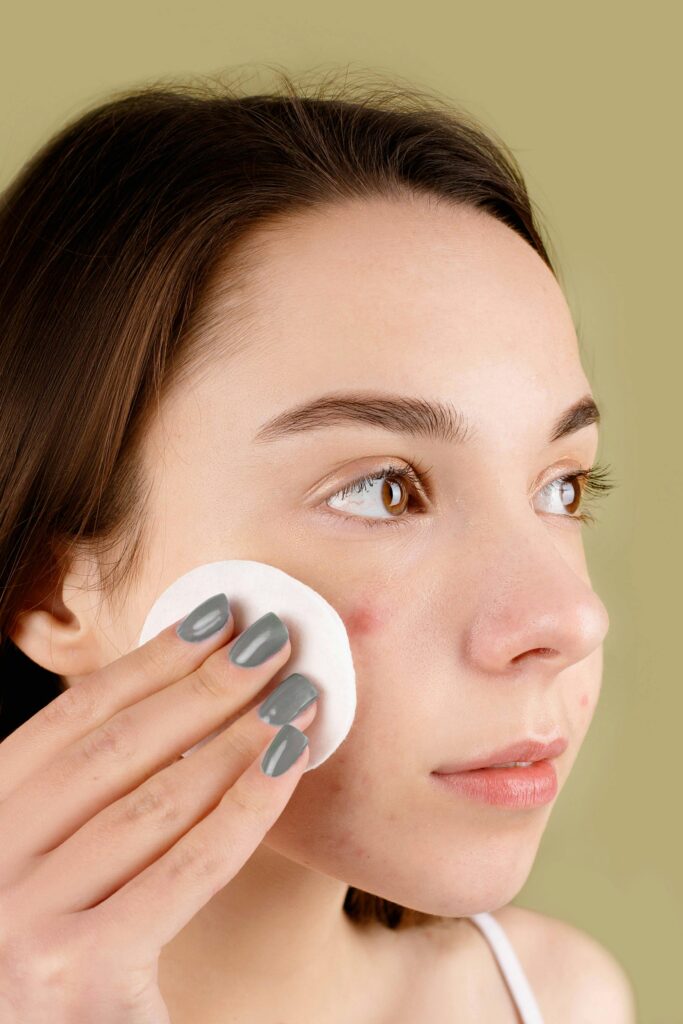
The barrier doesn’t weaken on its own. A combination of daily habits and external factors accelerates the damage.
Lifestyle factors — Chronic stress, poor sleep, and over-exfoliation are commonly linked to persistent redness. Stress may make skin more reactive, which can contribute to visible redness in some people, even when the rest of your routine is gentle.
Environmental triggers:
- Sun exposure — can increase visible redness (sunburn), especially without proper protection.
- Heat — causes flushing and a warm, uncomfortable feeling on the skin
- Cold weather and dry air — strips moisture and leaves skin feeling tight.
- Pollution — contributes to dullness and a sensitive, reactive feeling over time
Skincare triggers — Some of the most common culprits are actually products people use thinking they’re helping:
- Fragrance-heavy formulas — one of the top irritants for sensitive skin, even in products marketed as “natural”
- Alcohol-based products — may cause stinging or irritation, and are often associated with dryer-feeling skin.
- Over-exfoliation — using acids or scrubs too frequently leads to a compromised barrier and more redness, not less.
- Harsh cleansers — if your cleanser leaves your skin feeling tight, it may be too harsh for your skin type.
Understanding your personal triggers is the first step. For a more detailed look at common causes of sensitive skin redness, see our Sensitive Skin Triggers: Common Causes of Redness guide.
Why Skin May Feel Stinging or Burning Without Visible Irritation
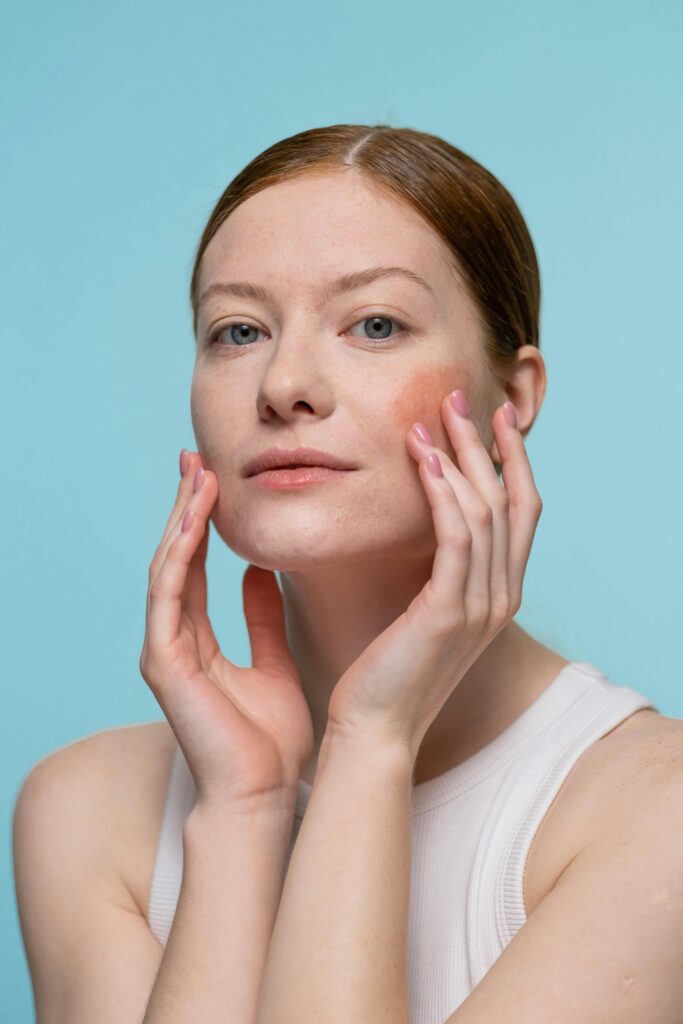
This one surprises a lot of people. Sometimes sensitive skin feels hot, tight, stinging, or uncomfortable — but looks completely normal in the mirror.This can happen, especially when the barrier is under stress.
It can happen after using too many active products at once, washing with hot water, or even just being exposed to cold wind or dry indoor air. Skin can sometimes feel irritated (stinging, heat) before any visible redness appears. If this sounds familiar, it’s usually a sign to simplify your routine and focus on barrier support rather than adding more products.
How to Reduce Discomfort
Consider pausing active and fragranced products while your skin recovers. Apply a cool compress to calm the sensation of heat. Switch to a plain, fragrance-free barrier moisturizer and keep everything else minimal. Avoid touching or rubbing the face. If the stinging or burning persists beyond a few days on a stripped-back routine, it may be worth speaking with a dermatologist for personalized advice.
How to Calm Redness Quickly
When your skin is actively irritated or visibly red, less is genuinely more. Here’s what helps:
Quick Calming Steps
- Pause any harsh or active products — exfoliants, vitamin C, retinoids — temporarily set them aside
- Cool compress — A clean cloth soaked in cool (not cold) water can help reduce the feeling of heat and visible flushing.
- Reach for a fragrance-free, barrier-focused moisturizer — look for ingredients like aloe vera, niacinamide, or ceramides
- When washing your face, keep the water temperature warm rather than hot — heat can leave sensitive skin feeling more stripped than clean
During a flare-up, your routine can be as simple as a gentle fragrance-free cleanser, a soothing moisturizer, and SPF. That’s it. No actives, no extra steps, no experimentation with new products.
Skin Barrier Support Tips
Supporting the skin barrier is a key step in calming redness long term. Use gentle, hydrating skincare products and keep the skin moisturized to reduce dryness and visible irritation. Small habits like staying hydrated, avoiding over-exfoliation, and introducing new products slowly can also help the skin maintain a more balanced appearance.
A Gentle Skincare Routine for Sensitive Skin
A good routine for sensitive skin doesn’t have to be complicated. In fact, the simpler, the better — fewer products means fewer potential triggers.
Morning Routine
Begin with a mild cleanser that clears away any buildup from the night without disrupting the skin’s natural balance. Follow with a lightweight moisturizer to maintain hydration, then finish with a sunscreen suitable for sensitive skin. Fragrance-free across all three steps is ideal.
Night Routine
Evenings are a good time to let the skin recover. Cleanse gently — no need for anything heavy — then apply a soothing, hydrating moisturizer. The goal is to wake up with skin that feels calm and soft, not tight or irritated.
Flare-Up Routine
Stick to the bare minimum: gentle cleanser and a calming moisturizer. Skip anything active or new until the skin settles. This isn’t a step back — it’s a practical way to help skin settle.
Key Ingredients for Sensitive Skin
Not all soothing ingredients are created equal. These are the ones that consistently perform well for reactive, redness-prone skin:
For a closer look at how soothing ingredients can fit into a sensitive-skin routine, see our Soothing Ingredients Guide for Sensitive Skin.
Ceramides
Ceramides are lipids naturally found in the skin barrier. Think of them as the ‘mortar’ between skin cells — they hold everything together and prevent moisture from escaping. When the barrier is depleted, replenishing ceramides through skincare helps the skin feel less dry, and may help reduce irritation and reactivity over time.
Aloe Vera

Aloe vera is commonly used for sensitive skin thanks to its lightweight, cooling feel. It can help hydrate without a heavy or greasy feeling, and may help soothe the look of redness after a flare-up. Works well in both leave-on and wash-off products.
Centella Asiatica

A staple in Korean skincare for a reason. Centella — also called cica or tiger grass —is widely used for its soothing feel on visibly irritated skin and may help support a healthier-looking barrier over time. Often chosen for redness-prone, reactive skin.
Panthenol (Provitamin B5)
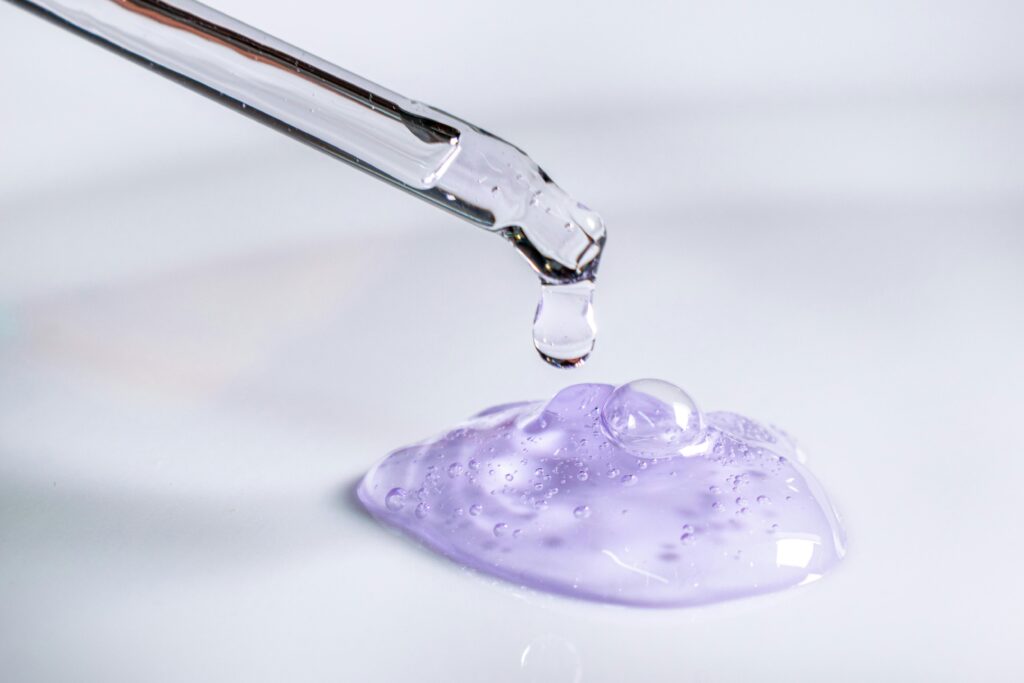
Panthenol is a humectant that draws moisture into the skin and helps ease that tight, uncomfortable feeling. It’s gentle enough for very reactive skin and works well layered under a moisturizer.
What to Avoid for Sensitive Skin
Fragrance and Fragranced Products
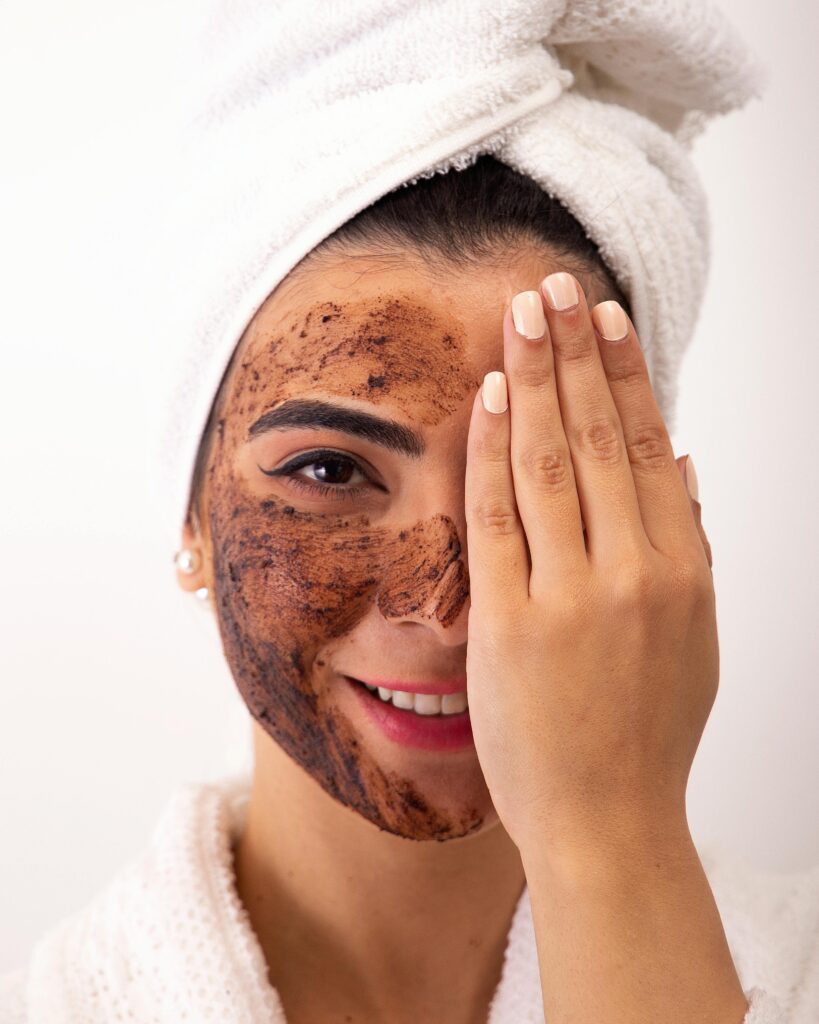
Fragrance is one of the most common irritants in skincare — and it’s often hidden in products that seem harmless. Even “natural” fragrances and essential oils can trigger reactions on sensitive skin. If your skin is reactive, fragrance-free formulas are often the safer choice.
Strong Acids and Over-Exfoliation
Exfoliating acids (like glycolic or salicylic acid) can be beneficial for some skin types, but on sensitive, redness-prone skin, using them too frequently — or at too high a concentration — can leave the skin feeling raw, tight, and more red than before. If you want to exfoliate, opt for mild options and start with once a week, adjusting based on how your skin responds.
Other things worth avoiding:
- Harsh foaming cleansers
- Alcohol-heavy toners or serums
- Layering too many active ingredients at once
- Hot water when cleansing
How Sensitive Skin Changes with the Seasons
Sensitive skin can feel more reactive as the seasons change. Temperature shifts, humidity levels, and environmental triggers like pollen or dry air can all affect how the skin looks and feels — even without changing your skincare routine. Understanding how each season affects sensitive skin can help you make simple adjustments that keep your skin feeling more comfortable and balanced year-round.
Sensitive Skin in Winter

Cold air and indoor heating reduce moisture in the environment, which can leave sensitive skin feeling tight, dry, or more reactive than usual. Visible redness and flakiness around the nose and cheeks are common during colder months.
Simple winter adjustments:
- Switch to a cream or milk cleanser with ceramides, glycerin, or colloidal oatmeal
- Apply moisturizer while skin is still slightly damp to lock in hydration
- Choose richer creams containing shea butter, squalane, or niacinamide
- Keep exfoliation minimal — a gentle PHA or lactic acid once a week is often a good starting point.
- Use a humidifier indoors to reduce dryness caused by heating systems
- Continue daily SPF, even on cloudy days
Sensitive Skin in Spring

Spring brings higher pollen levels and fluctuating temperatures, which can make sensitive skin feel more reactive — even without any changes to your skincare routine. You may notice occasional itching, warmth, or visible redness after spending time outdoors.
Simple spring habits:
- Wash your face gently after returning from outdoors
- Keep windows closed on high-pollen days when possible
- Avoid rubbing the face or eyes frequently
- Stick to fragrance-free, lightweight skincare during peak allergy season
- Ingredients like aloe vera, centella asiatica, and glycerin help soothe reactive skin
Sensitive Skin in Summer

Heat, sun exposure, and humidity are the main challenges for sensitive skin in summer. The skin may feel warmer, look more flushed, or feel uncomfortable after time outdoors — especially without adequate sun protection.
Simple summer adjustments:
- Use a gentle, fragrance-free cleanser with lukewarm water (avoid hot water)
- Choose lightweight, non-greasy moisturizers with glycerin or soothing botanical extracts
- Apply broad-spectrum SPF daily and reapply every two hours when outdoors
- Prefer mineral-based, fragrance-free sunscreens for sensitive skin
- After sun exposure, use a cool compress and a calming moisturizer with aloe vera
- Wear loose, breathable cotton clothing to reduce skin friction
SPF for Sensitive Skin

Sunscreen is an essential step for anyone dealing with facial redness, and especially important for redness-prone skin, since UV exposure is a common trigger.
The key is finding one that you can actually wear daily without irritation. Lightweight, fast-absorbing formulas tend to be easiest to tolerate. Broad-spectrum SPF 30 or higher is recommended for daily use.
Mineral filters (zinc oxide, titanium dioxide) are often better tolerated by sensitive skin than chemical filters, and dermatologists commonly recommend them for sensitive skin types. Not sure where to start? We’ve put together a complete sunscreen guide for sensitive skin covering exactly how much to apply, the right order in your routine, and how SPF needs to change with the seasons — worth a look if you want to get this step right.
And when you’re ready to shop, we’ve rounded up our favorite sunscreens for sensitive skin to make the choice easier.
How to Protect Your Skin Barrier and Prevent Redness
The skin barrier repairs itself when given the right conditions: consistent hydration, protection from UV and environmental stress, and a break from active or irritating ingredients.
Keep your routine minimal and consistent. A gentle cleanser, a moisturizer containing ceramides or niacinamide, and daily SPF covers the essentials. Avoid harsh exfoliants, alcohol-based products, and over-washing. When the barrier is compromised, resist the urge to add more products — simplifying is often the more effective approach.
Give it time. Barrier repair takes consistency, not a quick fix. Many people notice a difference with a steady, gentle routine over time. For a deeper, step-by-step guide to repairing your skin barrier, see How to Repair Your Skin Barrier.
FAQs
Struggling with persistent redness that doesn’t improve with routine changes?