

Soothing Ingredients Guide for Sensitive Skin
If your skin flushes, stings, or feels tight at the first sign of a new product, you’ve probably already learned to read ingredient labels a little differently than most people. Some ingredients seem to calm things down. Others seem to set them off. The difference usually comes down to one thing: whether an ingredient is working with your skin’s barrier or putting extra pressure on it.
This guide breaks down what soothing ingredients actually are, how they’re different from active ingredients, and which ones are worth looking for the next time you’re standing in the skincare aisle (or scrolling an ingredient list online).
For a broader look at sensitive skin redness, common triggers, and gentle ways to calm it, see our Best Ways to Calm Sensitive Skin Redness and Avoid Common Triggers
What Are Soothing Ingredients, and Why Does Sensitive Skin Need Them?
Redness is often just skin’s way of showing that it’s under some kind of stress — whether that’s a new product, weather changes, or a barrier that’s a little more vulnerable than usual. When the skin barrier isn’t at its best, it lets more irritants in and lets more moisture out, which can leave skin feeling reactive, tight, or uncomfortable.
Soothing ingredients are formulated to help with exactly that. Rather than pushing skin to change, they help support the barrier, lock in hydration, and help skin feel calmer and more comfortable day to day. Think of them as the ingredients that have your skin’s back, especially when it’s already having a rough day.
On the flip side, certain ingredients tend to work against comfort — think fragrance, harsh surfactants, high concentrations of exfoliating acids, and some alcohols. These can strip natural oils or increase how easily things penetrate the skin, which is part of why sensitive skin tends to react to them. (For a closer look at what tends to set sensitive skin off, our [Sensitive Skin Triggers guide] covers that in more depth — this article stays focused on the ingredients that help.)
Soothing Ingredients vs. Active Ingredients: What’s the Difference?
It’s easy to lump every skincare ingredient into one bucket, but soothing and active ingredients are actually playing very different roles.
Active ingredients are the ones formulated to create a specific change in the skin — think exfoliating, brightening, or targeting texture. Vitamin C, retinol, glycolic acid, and salicylic acid all fall into this category. They’re results-driven, and while they can be great for skin, they can also ask a lot of a sensitive barrier.
Soothing ingredients, on the other hand, are there to support comfort. Ceramides, panthenol, colloidal oatmeal, centella asiatica, and aloe vera don’t push skin to change — they help it feel more balanced, hydrated, and at ease.
A simple gut check: if an ingredient’s main job is to calm and support skin, it’s soothing. If it’s actively working to accelerate a skin process, it’s an active. Many well-formulated products for sensitive skin combine both — a gentle active alongside soothing ingredients that help offset any potential discomfort.
The Best Soothing Ingredients for Sensitive Skin
Here are the ingredients worth knowing — and looking for on labels — if your skin tends to run on the reactive side.
Ceramides
Ceramides are lipids that sit between skin cells the way mortar sits between bricks, helping hold the skin barrier together. They make up a significant portion of the outer layer’s natural lipids, and when levels are healthy, they help seal in moisture, reduce water loss, and create a more resilient barrier overall. When ceramide levels dip — from over-exfoliation, weather, or just time — skin tends to feel drier, tighter, and more reactive. Ceramides work as part of the skin’s lipid barrier alongside cholesterol and free fatty acids. These three lipid classes play important roles in the structure and function of the skin barrier.
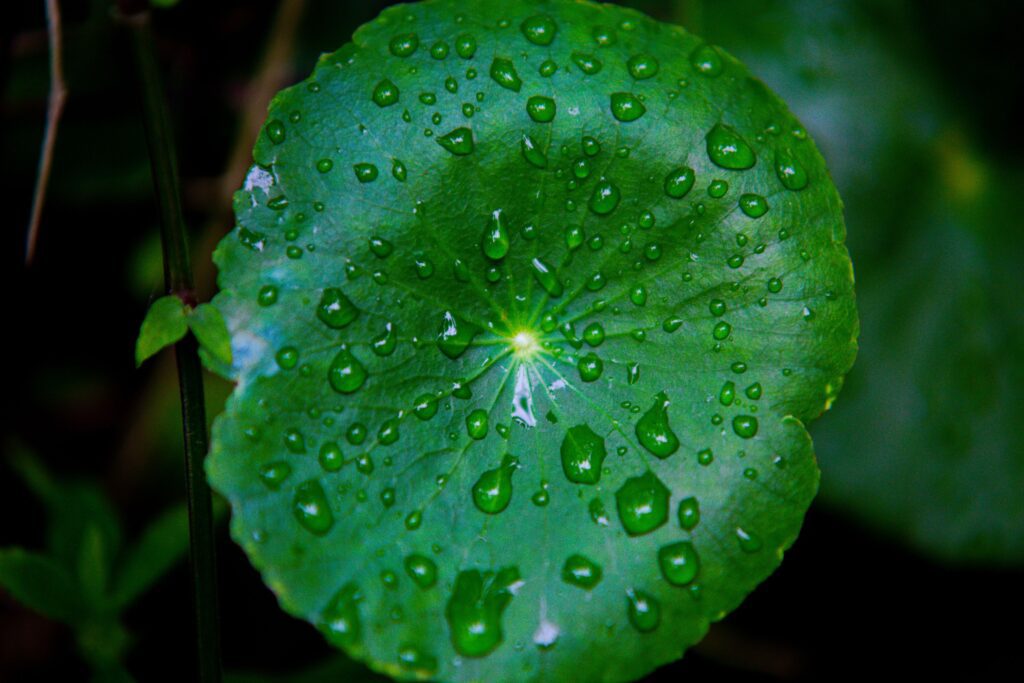
Centella Asiatica
Also known as cica, centella asiatica is a botanical prized for its calming, skin-supportive compounds (asiaticoside and madecassoside among them). It’s known for helping regulate the skin’s inflammatory response, which is part of why it’s such a popular pick for redness-prone or recently irritated skin. It’s also associated with supporting the skin’s natural repair process, making it a favorite in recovery-focused formulas.
Panthenol (Vitamin B5)
Panthenol is a hydration powerhouse that also plays a role in barrier support. It helps strengthen the skin barrier by improving hydration and supporting the skin’s natural recovery process. It’s gentle, gets along well with nearly every other ingredient, and is one of the most common finds in formulas designed for compromised or easily irritated skin.
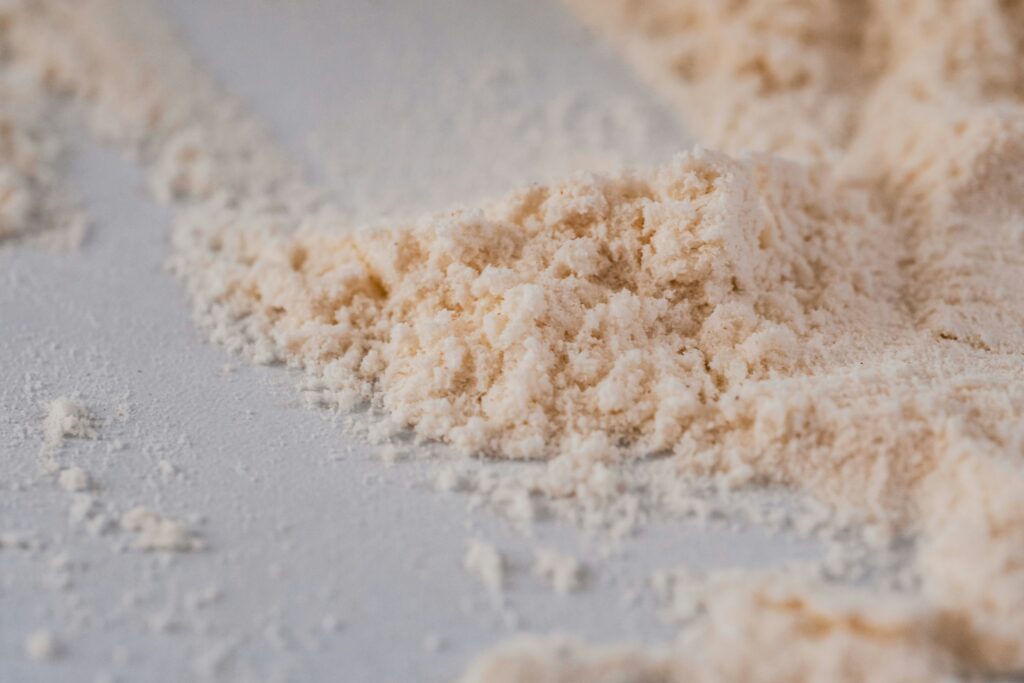
Colloidal Oatmeal
Colloidal oatmeal is a longtime go-to for irritated, itchy, or uncomfortable skin — and for good reason. Beyond the immediate soothing feel, it’s been shown to support genes involved in the skin’s natural barrier function. That combination of quick comfort and longer-term barrier support is what makes it such a versatile pick for sensitive skin.
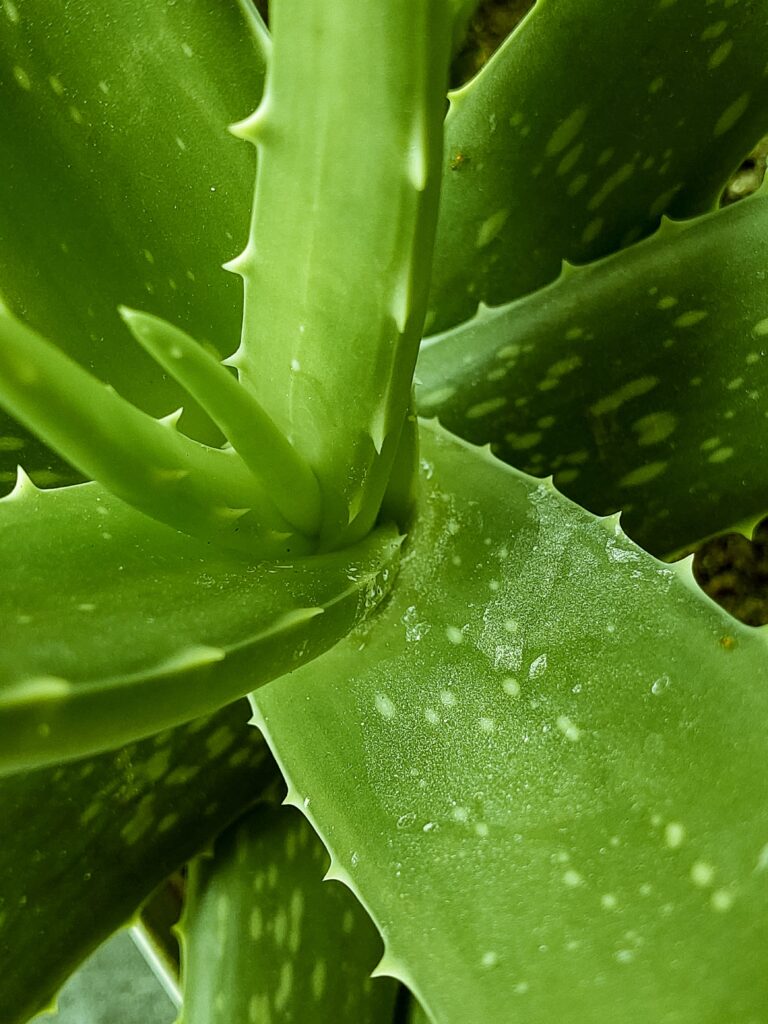
Aloe Vera
Aloe vera is best known for its cooling, hydrating feel, which makes it a favorite for skin that’s temporarily red or irritated — think post-sun or after a reaction to a new product. It’s a supportive, gentle ingredient rather than a corrective one, so it shines most as part of a broader routine. Worth noting: a small number of people are sensitive to aloe itself, so it’s still worth patch testing.
Niacinamide
Niacinamide is one of the more well-rounded soothing ingredients out there. It’s known for helping strengthen the look of the skin’s lipid barrier while also helping reduce the appearance of redness, which is why it shows up in so many barrier-support formulas. It pairs especially well with ceramides, each reinforcing what the other is doing.
Licorice Root Extract
Licorice root extract brings antioxidant and calming properties to the table, and it’s often included in formulas aimed at soothing redness-prone skin. It’s typically used alongside other calming botanicals rather than as a standalone star — a supporting player that adds an extra layer of comfort to a formula.
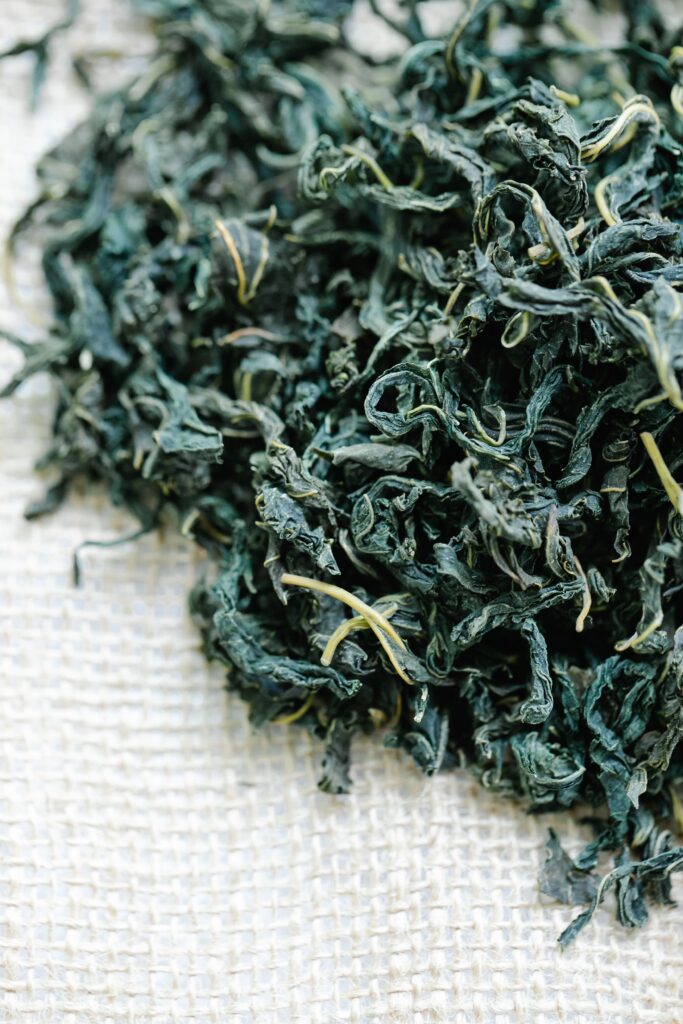
Green Tea Extract
Green tea extract is another antioxidant-rich botanical that shows up frequently in calming formulas. Alongside its antioxidant properties, it’s associated with helping support a more comfortable, less reactive-looking complexion when used as part of a well-rounded product.
How These Ingredients Support Comfort, Hydration, and the Look of Redness
These ingredients generally support sensitive skin through three main areas: barrier support, hydration, and the appearance of redness. Ceramides, panthenol, and colloidal oatmeal are commonly used to support the skin barrier, while aloe vera and humectants such as glycerin help maintain hydration. Centella asiatica, niacinamide, licorice root, and green tea are often included in formulas designed to help calm the look of redness.
How to Choose Soothing Ingredients in Your Skincare
Reading past the marketing is the real skill here. Words like “natural,” “clean,” or “gentle” sound reassuring, but they aren’t regulated claims — a product can carry that language and still contain fragrance or other potential triggers.
Instead, scan the ingredient list itself. Ingredients are generally listed in descending order of concentration, so the ones that appear early are doing more of the work.
Look for barrier-supportive and calming ingredients near the top of the list, and don’t assume a “hero ingredient” on the front of the bottle is present in a meaningful amount unless it also shows up early in the ingredient list.
It also helps to keep things simple. A shorter routine built around a few well-chosen soothing ingredients is often more comfortable for sensitive skin than a long lineup of products layered on top of each other. If you’re working on rebuilding a compromised barrier specifically, our How to Repair Your Skin Barrier guide goes deeper into that process.
The Takeaway
Soothing ingredients won’t overhaul your skin overnight, but they’re some of the most reliable tools for helping sensitive, redness-prone skin feel more comfortable day to day. Ceramides and panthenol help support the skin barrier while keeping skin hydrated and comfortable. Centella asiatica, niacinamide, licorice root, and green tea help calm the look of redness. Colloidal oatmeal and aloe vera bring fast, gentle relief. Together, they give sensitive skin exactly what it needs: support, not stress
Frequently Asked Questions