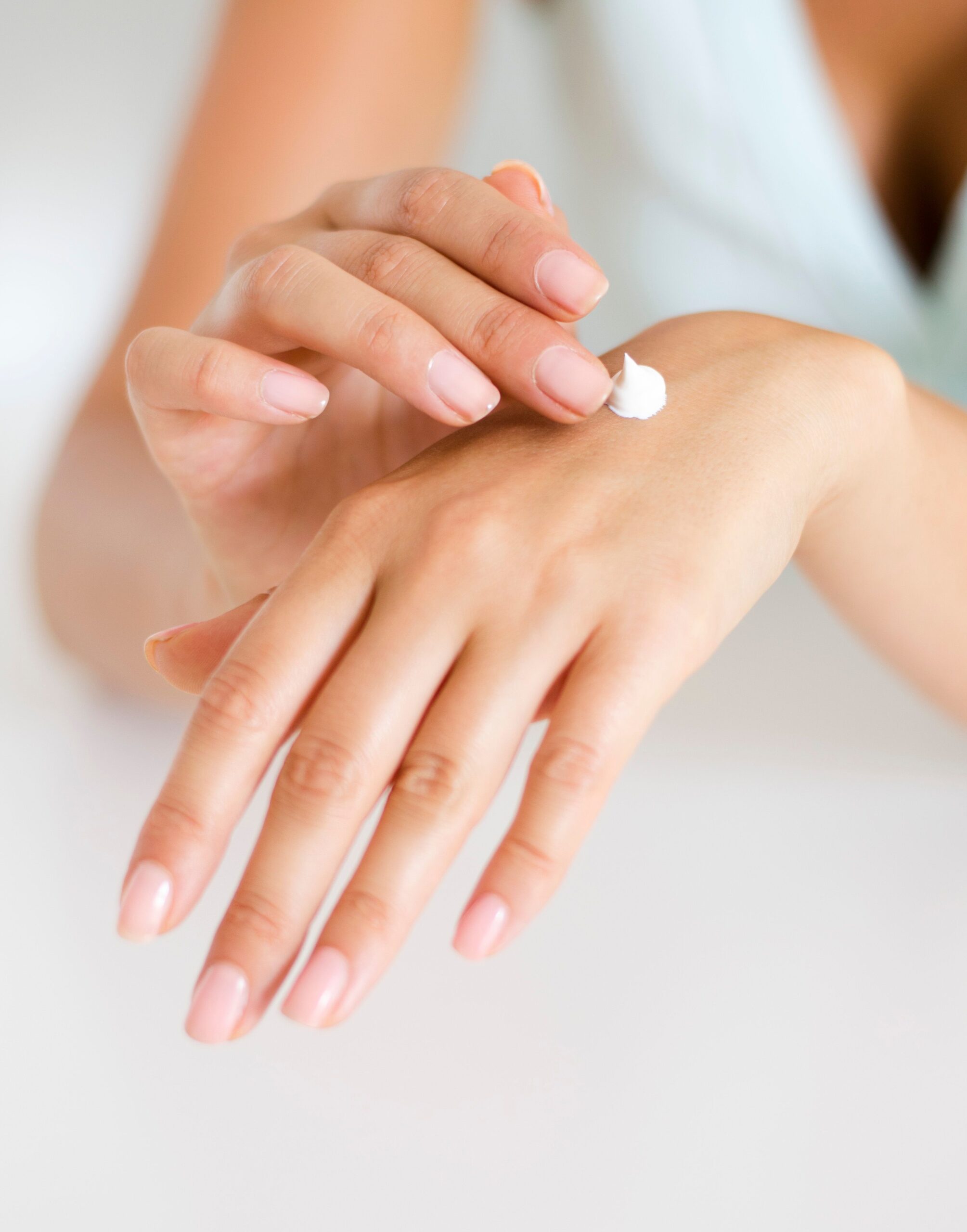
How to Repair Your Skin Barrier — And Why It Takes Longer Than You Think

If your favorite moisturizer suddenly stings, or your skin feels tight no matter what you apply, your skin barrier may be asking for a reset. It’s the kind of thing that creeps up slowly — your routine feels “normal,” but your skin just doesn’t feel like itself anymore.
The good news? With a gentle routine and a little consistency, skin can start feeling calmer, softer, and more comfortable again.
If visible redness is part of what you’re dealing with alongside barrier
concerns, our guide to Best Ways to Treat Sensitive Skin Redness covers
common triggers and long-term management strategies..
Table of Contents
- What Is the Skin Barrier?
- Signs Your Skin Barrier Needs Extra Care
- What Can Affect the Skin Barrier?
- How to Support and Repair Your Skin Barrier
- How to Prevent Skin Barrier Damage
- A Simple Skin Barrier Routine
- How Long Does It Take?
- FAQs
What Is the Skin Barrier?
The skin barrier is made up of skin cells and the natural lipids that bind them together, forming the outermost layer that keeps moisture in and irritants out. When this layer thins or weakens, skin loses its ability to hold onto hydration as effectively.

Signs Your Skin Barrier Needs Extra Care

Your skin usually drops a few hints when it’s asking for support:
- That tight, uncomfortable feeling after cleansing
- Dry or rough patches that don’t seem to improve
- Products that suddenly feel too strong, even ones you’ve used before
- Uneven texture or visible dryness
- Skin reacting more than usual to your go-to products
- A general sense of sensitivity, even without visible redness
Noticing a few of these at once is usually your skin’s way of asking you to simplify things and focus on barrier support.
What Can Affect the Skin Barrier?
Skincare habits:
- Over-exfoliating with acids or scrubs
- Harsh cleansers that leave skin feeling stripped
- Layering too many actives at once
- Washing with hot water
- Everyday environmental stress: Cold, dry air, wind, sun exposure, and pollution can put extra stress on the skin barrier over time, especially when sensitive skin is already feeling dry or reactive.
How to Support and Repair Your Skin Barrier
The goal isn’t a complicated 10-step skincare routine. It’s about simplifying things and giving your skin the space to recover.
Step 1: Simplify your routine
Keep your skincare routine gentle and simple while your skin barrier needs extra care. Focus on gentle, supportive products and ease up on stronger products that may be irritating
Step 2: Get familiar with barrier-friendly ingredients
A few ingredients are commonly used in barrier-supporting skincare, including ceramides, hyaluronic acid, panthenol, and niacinamide.
For more detail on soothing ingredients and how they can support sensitive skin, see our Soothing Ingredients Guide.
Step 3: Pause anything that might be causing irritation
If something in your routine has been causing discomfort, give it a break. You can always reintroduce products slowly, one at a time, once your skin feels steadier.
How to Prevent Skin Barrier Damage
Protecting your skin barrier starts with reducing the habits that can weaken it over time — gentle cleansing, consistent moisturizing, gradual introduction of actives, and daily sun protection. For a broader look at sensitive skin redness and common triggers, see our Best Ways to Treat Sensitive Skin Redness.
A Simple Skin Barrier Routine
When your skin barrier needs extra care, keep your routine simple and focused on the basics. The goal is to reduce unnecessary irritation while supporting hydration.
Keep the framework simple:
- Cleanse gently: Use a mild cleanser and lukewarm water.
- Moisturize regularly: Choose a gentle moisturizer that your skin tolerates well.
- Protect during the day: Use sun protection to help limit additional environmental stress.
- Pause potential irritants: Give exfoliating acids, retinol, and heavily fragranced products a break if they are causing discomfort.
You don’t need a complicated routine while your barrier is recovering. Once your skin feels more comfortable and stable, products can be reintroduced gradually, one at a time.
How Long Does It Take?
Barrier repair isn’t an overnight fix. Most people notice skin feeling calmer and more comfortable within a few weeks of consistent, gentle care. Speed matters less here than sticking with it.