

Sensitive Skin Triggers: Common Causes of Redness and How to Avoid Them
Sensitive skin doesn’t react to everyday life the way normal skin does. A gust of wind, a new cleanser, or a hot shower that wouldn’t bother most people can leave reactive skin red, tight, or stinging. The reason comes down to the skin barrier: when it’s weakened, irritants get in more easily and moisture escapes faster, so triggers that healthy skin shrugs off can set off real discomfort.
A trigger isn’t something that causes sensitive skin on its own — it’s anything that activates or worsens a reaction in skin that’s already vulnerable. And triggers are personal. An ingredient or condition that irritates one person’s skin may do nothing to someone else’s, depending on genetics, existing skin barrier strength, and even how the skin barrier is holding up that particular week.
How to Identify Your Personal Triggers
Because reactions are so individual, spotting your own triggers usually comes down to observation rather than guessing. Start by thinking about what changed right before a flare-up — a new product, a shift in weather, or a change in routine.
Tracking flare-ups over time makes patterns much easier to see. Noting new products, weather conditions, stress levels, and routine changes alongside each reaction can reveal recurring culprits that would otherwise be easy to miss, especially since many reactions are cumulative rather than instant.
Reactions also don’t always happen right away. Some appear within minutes; others build gradually as the barrier weakens with repeated exposure, or develop only after the skin becomes sensitized to an ingredient over time. Fragrance is a common example of a delayed trigger.
It’s also common for more than one trigger to be involved at once — a new product layered on top of cold, dry weather, for instance. When several variables shift together, isolating the real cause gets much harder, which is why simplifying your routine and changing one thing at a time tends to work best.
For a broader look at sensitive skin redness and gentle ways to calm it, see our Best Ways to Calm Sensitive Skin Redness and Avoid Common Triggers.

Weather and Environmental Triggers
Cold, dry conditions—particularly low humidity—can increase water loss from the skin and may promote inflammation, contributing to dryness, tightness, or redness. Wind has a similar effect, stripping moisture from the surface and often combining with cold, dry conditions to compound the stress on skin.
Dry air works the same way from the inside: lower humidity speeds up water loss from the skin, leading to tightness, flaking, and a lower tolerance for other triggers. Even sudden shifts between environments — like stepping from cold outdoor air into an overheated room — can temporarily reduce barrier efficiency and trigger stinging or visible redness, especially when combined with other seasonal stressors like pollution or harsh products.
If your skin is already feeling dry, tight, or easily irritated, our How to Repair Your Skin Barrier guide covers practical ways to support your skin barrier.
Sun and Heat Triggers
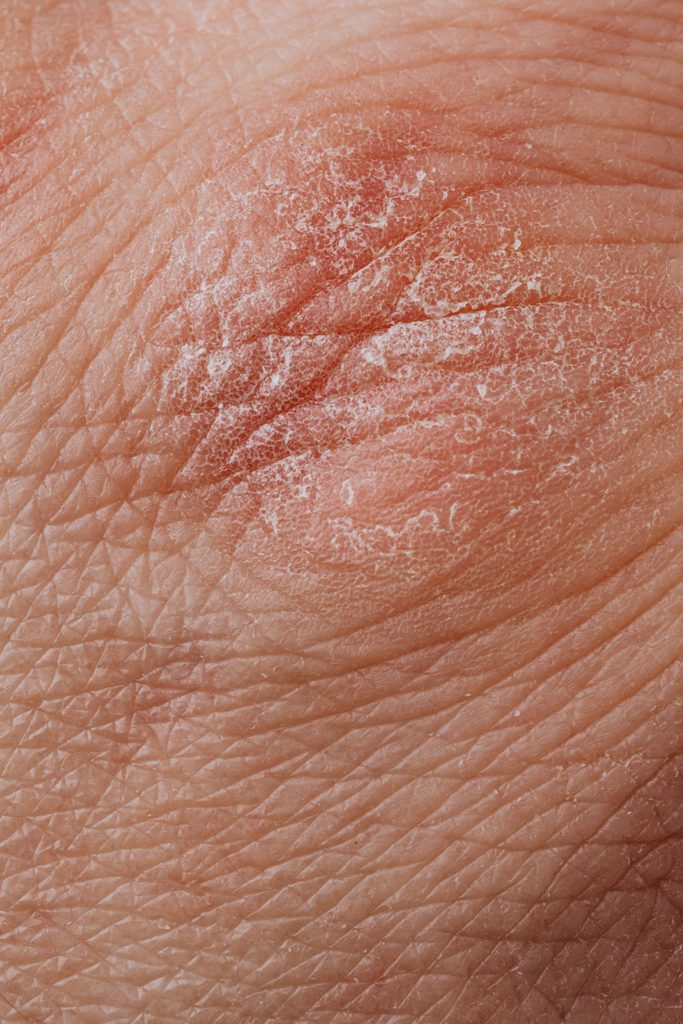
UV exposure can trigger skin inflammation and visible redness. Because sensitive skin already has a less resilient barrier, even moderate sun exposure can trigger a stronger reaction than it would in healthy skin. Repeated exposure causes cumulative skin damage and may alter how the skin responds to later UV exposure.
For practical guidance on choosing and using sunscreen with sensitive skin, see our Sunscreen Guide for Sensitive Skin with Redness.
Heat works differently but lands in a similar place: high temperatures cause blood vessels near the surface to dilate, making redness more visible, and often amplify whatever other inflammatory processes are already at play in reactive skin.
Skincare Product Triggers
Many product reactions come down to the same root cause: ingredients penetrating a weakened barrier more easily than they would healthy skin. Harsh cleansers, alcohol-based formulas, strong exfoliating acids, and retinoids introduced too quickly are common culprits — and often, what looks like a new allergy is really skin that’s become sensitized after repeated exposure to irritating ingredients, rather than a true allergic reaction.
Fragrance is consistently flagged as one of the most common triggers of all, linked to reactions ranging from mild stinging to allergic contact dermatitis. Estimates of fragrance allergy vary by population and testing method: approximately 1–4% in some general-population studies, with substantially higher rates reported in selected patch-test populations, including 17% in one study.
Worth noting: “unscented” doesn’t guarantee fragrance-free, since some unscented products still contain fragrance chemicals used to mask odor. Essential oils carry similar risk — “natural” doesn’t mean automatically gentle, and some, like cinnamon, clove, or peppermint oil, can irritate sensitive skin quickly.
Layering too many products at once — several actives, multiple fragranced formulas, or overlapping exfoliants — raises the odds of a reaction and makes it far harder to know which product is actually responsible.
Exfoliation Triggers
Exfoliating too often or too aggressively can disrupt the skin barrier, increase water loss, and make irritation or redness more likely. Sensitive skin is especially prone to this because its barrier already runs less efficiently than normal skin.
Combining multiple exfoliating products — AHAs with BHAs, retinoids with acids — compounds the risk further. The more reliable approach is introducing one active at a time, starting with low frequency, and increasing gradually as skin builds tolerance.
Lifestyle Triggers
Emotional stress can make sensitive skin more reactive — research suggests that psychological stress promotes inflammation in the skin and can disrupt barrier function, making already-sensitive skin more prone to redness and irritation. This is rarely the sole cause of a reaction, but it often compounds other triggers already at play.
Poor sleep plays a role too: studies in healthy adults suggest that sleep restriction or deprivation can reduce skin hydration, increase water loss, and delay barrier recovery, although effects vary with the duration and design of the sleep-loss exposure.
Hidden Everyday Triggers
Long, hot showers strip natural oils and increase water loss, leaving sensitive skin dry, tight, and more reactive — lukewarm water and a moisturizer afterward help offset this. Indoor heating creates the same problem from a different angle: it dries out indoor air, pulling moisture from the skin and weakening the barrier’s ability to defend against everyday irritants, particularly during colder months.
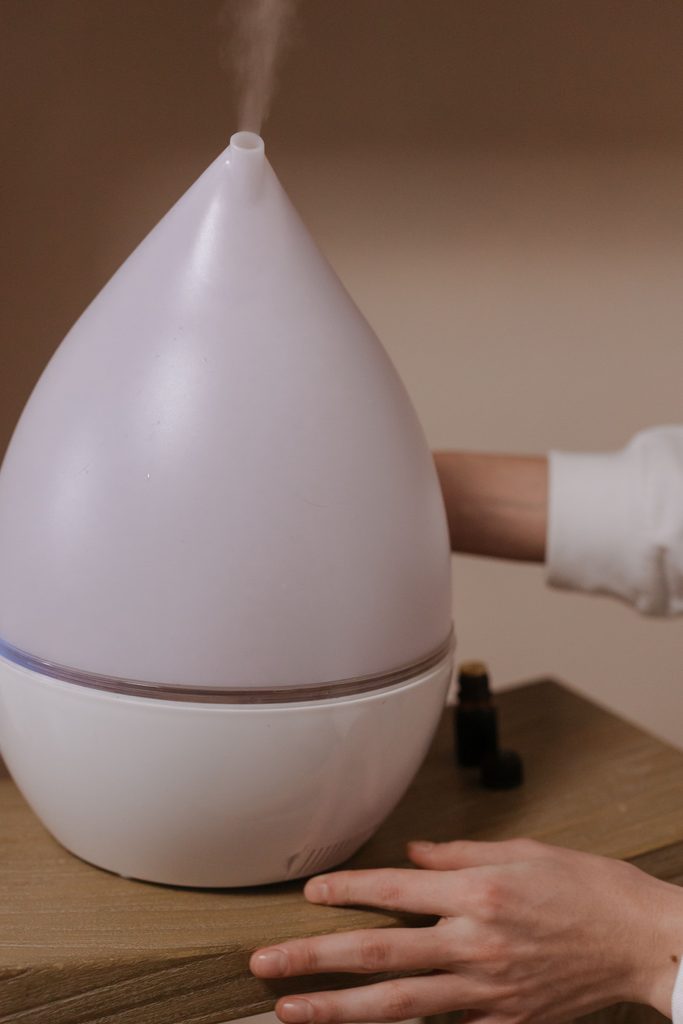
Air conditioning has a similar drying effect, removing moisture from the air and, over time, from the skin itself — which can leave skin tighter, flakier, and more easily irritated. Taking breaks from heavily air-conditioned spaces and using a humidifier can help offset the effect.
Avoiding Trigger Overload
Introducing several new products at once makes it nearly impossible to know which one is responsible if irritation shows up — and it’s a common mistake to respond to early irritation by adding more products, which only prolongs the problem. The same logic applies to environmental and lifestyle factors: when several variables shift at the same time, pinpointing the real trigger becomes far harder.
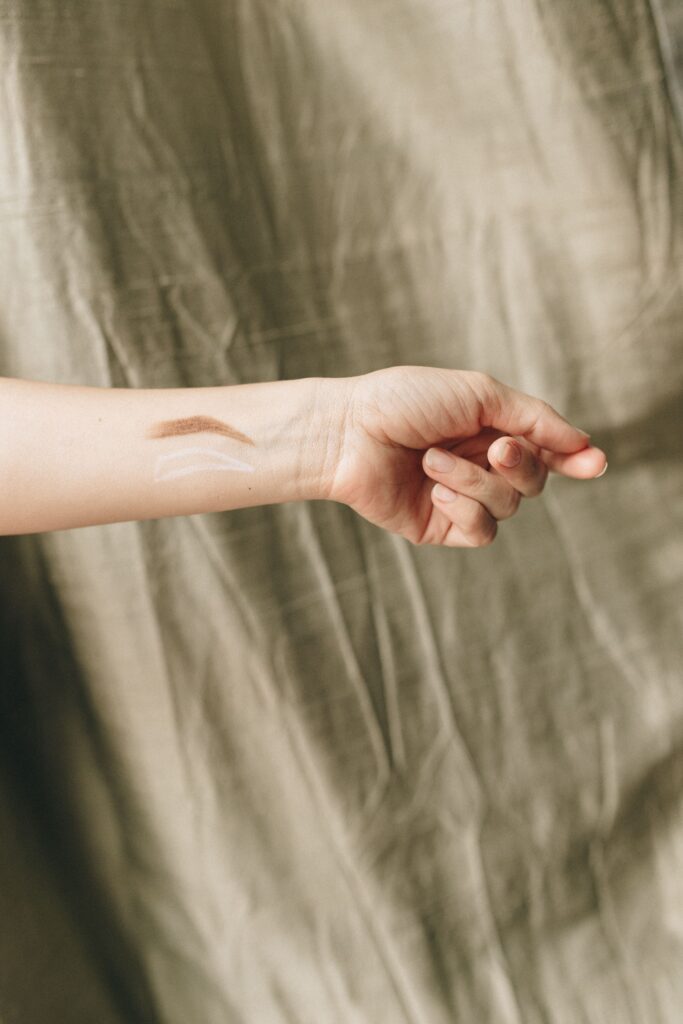
That’s why making one change at a time is consistently the most reliable approach. Introducing a single new product, giving skin time to adjust, and watching how it responds before adding anything else makes cause and effect much easier to read — and makes a patch test — specifically, a Repeated Open Application Test (ROAT) — worth doing before a product goes on your whole face. A ROAT is commonly performed by applying a small amount of product to a test area on the forearm, often twice daily for leave-on products. Protocols vary in duration; one study found that testing for at least 10 days captured most reactions, but dermatology guidance should determine the appropriate site, frequency, and duration. Stop immediately if a reaction develops.
FAQ
What is the most common trigger for sensitive skin? There’s no single universal trigger — it varies by person — but fragrance is one of the most consistently cited culprits across sources.
Can trigger sensitivity change over time? Yes. Repeated exposure to irritating ingredients can gradually lower skin’s tolerance, and the skin barrier’s condition shifts with factors like weather, over-exfoliation, and UV exposure — so a product that was once fine can start causing problems later.
Can sensitive skin have multiple triggers? Yes, and this is common rather than the exception. Triggers often interact — skin weakened by over-exfoliation, for example, becomes more reactive to cold weather or fragrance than it would be otherwise.
Why does my skin react differently on different days? Because reactivity depends on the barrier’s current condition and whatever combination of triggers is present that day — both of which shift constantly with weather, products, and skin recovery.
Is avoiding triggers easier than managing repeated flare-ups? Generally, yes. Identifying and avoiding known triggers tends to be more effective than repeatedly addressing flare-ups after they happen, especially alongside a simple, barrier-supportive routine.